
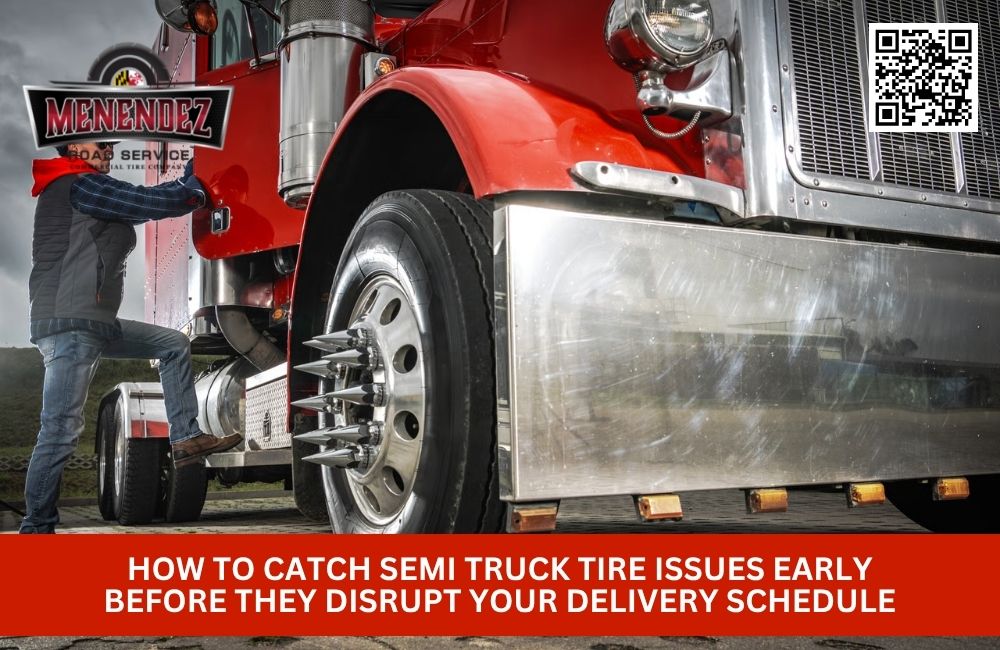
A delivery schedule can look solid at the start of the day and still fall apart because of one overlooked tire issue. A semi truck tire does not usually fail without warning. In many cases, the signs show up earlier through low pressure, uneven wear, rough handling, or visible damage that seems small at first. The trouble is that when drivers are focused on loads, timing, and stops, those warning signs can be easy to push aside.
That is where costly delays begin. A tire problem that could have been handled during an inspection may later turn into a roadside interruption, a missed delivery window, and a stressful need for Truck Road Service. For drivers and fleet operators in Bowie, MD, catching these issues early is one of the smartest ways to protect schedules, reduce downtime, and keep routes moving with less disruption.
This guide explains how to catch semi truck tire issues early, what signs deserve closer attention, and what steps can help prevent a small concern from becoming a major route problem.
Why Early Tire Checks Matter So Much
A semi truck puts serious stress on its tires every day. Long miles, heavy loads, hot pavement, rough road conditions, and frequent stops all add up fast. That means even a minor issue can grow quickly once the truck is back in motion.
Small warning signs often come before big delays
A tire rarely goes from perfectly fine to completely unusable without leaving clues first. The earlier those clues are noticed, the more likely the issue can be handled before it affects the route.
Delays usually cost more than the repair itself
The biggest problem is often not the tire service. It is the lost time that follows. Once a truck is pulled over, the schedule changes immediately. That is why early Truck Repair is usually far less disruptive than waiting for a tire issue to force a stop later.
Start With a Better Pre-Trip Inspection
The easiest time to catch a tire problem is before the route begins.
Look beyond whether the tire is flat
A quick glance is not always enough. Drivers should check for pressure differences, unusual tread wear, cuts, sidewall damage, embedded objects, and any tire that looks lower than the others.
Compare one tire against the rest
Sometimes a problem stands out more clearly when one tire is compared to the others on the unit. If one tire looks different in shape, height, or tread condition, that difference matters.
Use a consistent inspection routine
When inspections are done the same way each time, changes are easier to spot. That makes it much more likely a problem will be caught before it becomes serious enough to need Roadside Truck Repair Near Me during the workday.
Watch for the Most Common Early Warning Signs
Catching tire trouble early comes down to knowing what to look for.
Repeated air loss
Why it matters
If one tire needs air again and again, the problem is already active. It may be a puncture, valve issue, rim leak, or another defect, but repeated topping off is not a real solution.
Why it can disrupt your schedule
An underinflated tire builds heat and loses reliability under load. A truck that leaves the yard with a pressure issue may end up losing far more time later if the problem worsens during the route.
Uneven tread wear
Why it matters
Uneven tread often points to more than simple wear. It may signal alignment trouble, suspension issues, or poor inflation habits.
Why it can disrupt your schedule
A tire with irregular wear may still seem usable, but it is already becoming less dependable. Left too long, it can create the kind of interruption that turns a normal run into unexpected Truck Repair downtime.
Sidewall cracks, cuts, or bulges
Why it matters
Visible sidewall damage is one of the clearest signs a tire needs attention. Bulges may indicate internal damage, while cracks and cuts can mean the tire is no longer strong enough for normal route stress.
Why it can disrupt your schedule
A sidewall problem can worsen quickly once the truck is loaded. Catching it before departure is much easier than dealing with it after the truck is already on the roadside.
Pay Attention to How the Truck Feels
Drivers often notice a tire problem through handling before they see it clearly during inspection.
New vibration
What it may mean
A tire issue may show up as vibration at certain speeds, especially if there is uneven wear, internal damage, or balance trouble.
Why it matters early
If the truck feels rougher than normal, that is already useful information. Waiting for the vibration to become worse can turn an early warning into a much larger delay.
Pulling or unstable steering
What it may mean
The truck may be telling you that one tire is wearing badly, losing pressure, or no longer performing the way it should.
Why it matters early
A unit that no longer feels steady can cost time even before it breaks down. Drivers may slow down more, stop more often, or worry through the rest of the route. That is often the stage where quick attention can still prevent a much bigger interruption.
Recheck Tires During the Day
Not every problem shows up before departure. Some appear after the truck has already been working for hours.
Use regular stops wisely
Fuel stops, loading stops, and short breaks are good opportunities to do a quick recheck. Look for anything that changed since the truck left, including fresh damage, lower pressure, or worsening wear.
Pay extra attention after rough road contact
If the truck hits a pothole, curb, or road debris, it is smart to inspect the tires again as soon as it is safe. A tire can seem fine right after impact and still develop a bigger issue later.
Mid-route checks can prevent bigger interruptions
A fast visual inspection during the day can help drivers catch the kind of developing issue that would otherwise lead to an urgent call for Truck Road Service Nearby.
Take Driver Concern Seriously
Sometimes the strongest warning sign is simple: the same tire keeps bothering you.
Repeated concern is not random
If a driver keeps looking at one tire, checking one side of the truck, or hoping a questionable tire makes it through one more route, that is already a sign worth respecting.
Drivers usually notice trouble before it becomes obvious
The truck may not yet show a major visible problem, but experience often tells the driver something is not right. Acting on that instinct early can prevent a more stressful problem later.
Know When Early Action Is the Smarter Move
Not every tire issue needs to become an emergency before it gets attention.
Handle the issue before the truck is fully committed to the route
A short service stop before departure is usually easier to recover from than a long roadside delay halfway through a delivery schedule.
Do not rely on “one more trip”
That decision is one of the most common reasons small tire concerns turn into major interruptions. If the tire already looks questionable, the next route may be the one that pushes it too far.
Early response protects more than the tire
It protects the load, the route timing, driver hours, and customer expectations. In many cases, timely Mobile Truck Repair is the most practical way to keep the issue from growing into a full schedule problem.
Why Mobile Roadside Support Helps
When a developing tire issue cannot wait, the fastest path forward is often help that comes directly to the truck.
It keeps the solution close to the problem
A truck with an unsafe tire is not always in a good position to continue to a Truck Repair Shop. Mobile service removes that extra step and makes the recovery process faster and safer.
It helps protect delivery timing
When the repair team comes to the truck, drivers and dispatch can move toward a solution faster. That is one reason dependable Truck Road Service is so valuable for time-sensitive routes.
It supports smarter decisions
Drivers are more likely to stop early and respond safely when they know reliable roadside help is available.
Practical Habits That Help Catch Tire Trouble Early
Build tire checks into every route
Consistent inspection before departure and during major stops gives drivers a better chance of noticing problems before they become serious.
Track repeated issues on the same unit
If the same truck keeps showing pressure loss, unusual wear, or handling complaints, treat that pattern seriously.
Do not ignore changes in road feel
A truck that feels different is often giving you useful warning before visible failure appears.
Keep trusted roadside help ready
Having dependable support already saved can reduce panic and save time when a problem needs quick action.
Contact Information
Menendez Roadservice LLC – Commercial Truck Tire Service
Address: 8174 Maple Ave, Bowie, MD 20720, United States
Phone: +1 (240) 601-9664
Conclusion
Catching semi truck tire issues early is one of the best ways to protect your delivery schedule. Repeated air loss, uneven tread wear, visible sidewall damage, vibration, unstable handling, and changes noticed during route stops are all signs that deserve real attention. Most costly delays do not begin with a sudden surprise. They begin with a warning that was given too much time to grow.
The earlier the problem is caught, the easier it usually is to control. With stronger inspections, faster response to warning signs, and dependable help like Truck Road Service Nearby, Truck Repair, and Mobile Truck Repair, drivers and fleet operators in Bowie, MD can reduce downtime and keep delivery schedules from being disrupted by preventable tire trouble.