
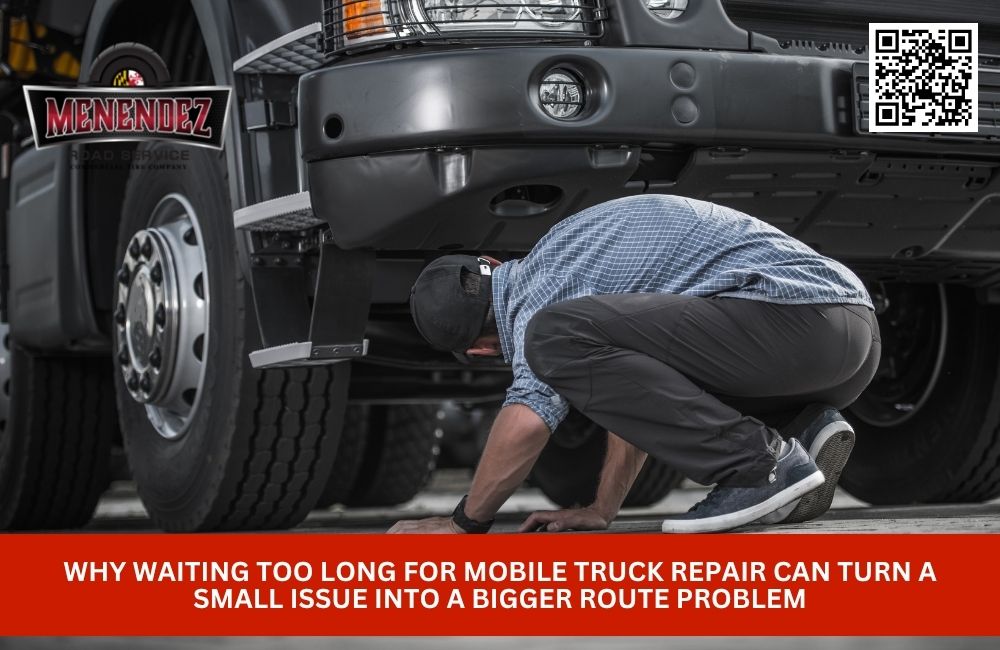
A small truck issue can seem easy to manage at first. The truck is still moving, the route still looks possible, and the next stop feels too important to miss. That is exactly why many drivers choose to wait. They tell themselves they will deal with it later, after one more stop, one more load, or one more stretch of road.
The problem is that “later” often becomes much more expensive. What starts as a small concern can quickly grow into lost time, a delayed route, extra stress, and a much bigger repair situation than anyone expected. In Bowie, MD, where schedules often depend on staying steady from stop to stop, waiting too long for 𝗠𝗼𝗯𝗶𝗹𝗲 𝗧𝗿𝘂𝗰𝗸 𝗥𝗲𝗽𝗮𝗶𝗿 can turn a manageable issue into a real workday problem.
This article explains why waiting too long is such a costly mistake, what signs drivers should take seriously, and how faster action can help keep the route from falling apart.
Why Small Truck Problems Rarely Stay Small
A truck issue does not need to be dramatic to damage the day. In fact, many of the worst route disruptions begin with a problem that seemed minor in the beginning.
The truck may still move, but the risk keeps growing
That is what makes waiting so tempting. If the truck still starts, still rolls, and still seems able to finish the next stop, it is easy to think the problem can wait. But truck issues usually get worse under work conditions, not better. Weight, distance, traffic, heat, and route pressure all make a small issue harder to manage.
Delay starts before the truck fully stops
Many drivers think the real problem begins when the truck is stranded. In reality, time is already being lost earlier. The driver may slow down, become more cautious, stop to recheck the issue, or worry about whether the truck will make it. That hidden time loss is exactly why early 𝗧𝗿𝘂𝗰𝗸 𝗥𝗲𝗽𝗮𝗶𝗿 matters so much.
Why Waiting Too Long Creates Bigger Route Problems
When drivers wait too long to act, they usually lose more than just repair time.
The route becomes harder to recover
A small mechanical concern might have been manageable before the truck got deeper into the day. But once the route is active, every delay affects the next stop, the next customer, and the next decision. That is how a small issue becomes a scheduling problem instead of just a repair issue.
Dispatch and delivery timing get affected
A route that falls behind may require updates to dispatch, changes to customer expectations, and adjustments to the rest of the workday. A shorter pause earlier often causes much less disruption than a bigger stop later.
Stress leads to worse decisions
When the driver feels pressure to keep the day moving, it becomes easier to keep pushing a truck that already needs help. That often turns a smaller issue into a much bigger route problem and increases the odds of needing 𝗧𝗿𝘂𝗰𝗸 𝗥𝗼𝗮𝗱 𝗦𝗲𝗿𝘃𝗶𝗰𝗲 under much harder conditions.
Common Signs Drivers Should Not Ignore
Drivers usually get warning signs before the route completely falls apart. The key is noticing them early and taking them seriously.
Repeated loss of performance
If the truck no longer feels as smooth, responsive, or dependable as it normally does, that matters. Drivers know when a truck is acting differently. That feeling is often the first clue that waiting is the wrong choice.
New vibration or rougher operation
A truck that begins vibrating, riding rougher, or feeling unstable is already giving useful information. The route may still be moving, but the problem is likely getting worse with every mile.
Changes after a hard road hit
If the truck recently hit rough pavement, debris, or another road hazard and now feels off, that should not be dismissed. Small impact-related issues often turn into larger delays later in the route.
Repeat concern about the same truck
If the same unit keeps creating the same kind of concern, that pattern matters. Repeated issues are rarely random, and they usually become more expensive when ignored too long.
How Waiting Too Long Affects Drivers on the Road
The longer a driver waits, the smaller the margin for recovery becomes.
A short stop becomes a longer interruption
At first, the driver may only need a quick check. Later, the same issue may require full roadside service. That change often happens because the truck kept moving after it was already showing signs of trouble.
Confidence behind the wheel drops
When the driver no longer trusts the truck, the route changes. Speeds may drop, stops may take longer, and the workday becomes more stressful than it needs to be. Even before the truck is officially down, productivity is already slipping.
The route starts revolving around the problem
Instead of focusing on deliveries, timing, and next steps, the driver starts focusing on whether the truck will make it. That is one of the clearest signs that the issue already deserves 𝗠𝗼𝗯𝗶𝗹𝗲 𝗧𝗿𝘂𝗰𝗸 𝗥𝗲𝗽𝗮𝗶𝗿 before it grows any larger.
Why Fast Mobile Truck Repair Makes Such a Difference
When trouble starts, speed matters. So does getting the right kind of help.
The repair comes to the truck
One of the biggest advantages of 𝗠𝗼𝗯𝗶𝗹𝗲 𝗧𝗿𝘂𝗰𝗸 𝗥𝗲𝗽𝗮𝗶𝗿 is that the solution comes directly to the driver. The truck does not need to lose more time trying to reach a distant location first.
It helps reduce route disruption
A quicker response means dispatch can make better decisions sooner, the driver can get clearer answers faster, and the workday has a better chance of recovery.
It can prevent a small issue from becoming a major roadside event
A truck that gets fast help early may avoid the kind of larger delay that would later require a search for 𝗥𝗼𝗮𝗱𝘀𝗶𝗱𝗲 𝗧𝗿𝘂𝗰𝗸 𝗥𝗲𝗽𝗮𝗶𝗿 𝗡𝗲𝗮𝗿 𝗠𝗲 under more stressful conditions.
Why a Truck Repair Shop Is Not Always the Best First Move
A 𝗧𝗿𝘂𝗰𝗸 𝗥𝗲𝗽𝗮𝗶𝗿 𝗦𝗵𝗼𝗽 has an important role, but it is not always the fastest or smartest first step when the route is already under pressure.
The truck may not be in a good position to travel farther
If the issue is already affecting the way the truck runs, trying to push it farther just to reach a shop can cost more time and create more risk.
The route often needs the fastest practical option
In many situations, direct support is what keeps the day from getting worse. That is why fast 𝗠𝗼𝗯𝗶𝗹𝗲 𝗧𝗿𝘂𝗰𝗸 𝗥𝗲𝗽𝗮𝗶𝗿 often makes more sense than waiting to reach a 𝗧𝗿𝘂𝗰𝗸 𝗥𝗲𝗽𝗮𝗶𝗿 𝗦𝗵𝗼𝗽 after the problem has already grown.
How Fast Truck Road Service Helps Save the Day
When the issue becomes urgent, quick roadside support is often what keeps the route from completely falling apart.
It shortens downtime
Fast 𝗧𝗿𝘂𝗰𝗸 𝗥𝗼𝗮𝗱 𝗦𝗲𝗿𝘃𝗶𝗰𝗲 helps the driver move from uncertainty to a real solution sooner. That makes it easier to protect the rest of the day.
It helps drivers stop pushing the problem
Drivers are more likely to make the safe choice when they know reliable help is available. That helps prevent a smaller concern from becoming a much larger route failure.
It keeps the response local and practical
Having dependable 𝗧𝗿𝘂𝗰𝗸 𝗥𝗼𝗮𝗱 𝗦𝗲𝗿𝘃𝗶𝗰𝗲 𝗡𝗲𝗮𝗿𝗯𝘆 matters because when every minute counts, shorter response time can protect far more of the route.
Practical Ways Drivers Can Avoid Bigger Delays
Drivers do not need a complicated system to reduce route problems. A few better habits can make a big difference.
Pay attention to changes early
If the truck feels different, take that seriously. Small changes often matter more than they first appear.
Do not normalize repeat issues
If the same unit keeps creating the same kind of concern, treat that as a growing problem, not a harmless inconvenience.
Think about the whole route, not just the next stop
A decision that seems to save ten minutes now may cost hours later. Looking at the bigger route picture leads to better choices.
Keep reliable help ready in advance
The best time to decide who to call is before the truck is delayed. Having dependable 𝗧𝗿𝘂𝗰𝗸 𝗥𝗼𝗮𝗱 𝗦𝗲𝗿𝘃𝗶𝗰𝗲 and 𝗧𝗿𝘂𝗰𝗸 𝗥𝗼𝗮𝗱 𝗦𝗲𝗿𝘃𝗶𝗰𝗲 𝗡𝗲𝗮𝗿𝗯𝘆 already saved can reduce panic and save time when the workday is at risk.
Why This Matters in Bowie, MD
Drivers in Bowie, MD often work under route pressure that leaves very little room for avoidable downtime. Local traffic, time-sensitive stops, and daily delivery demands mean that a small truck issue can become a much bigger operational problem very quickly.
That is why faster action matters here. The sooner a problem is taken seriously, the easier it is to protect the route, reduce downtime, and keep the workday from getting more complicated than it needs to be.
Contact Information
Menendez Roadservice LLC – Commercial Truck Tire Service
Address: 8174 Maple Ave, Bowie, MD 20720, United States
Phone: +1 (240) 601-9664
Conclusion
Waiting too long for 𝗠𝗼𝗯𝗶𝗹𝗲 𝗧𝗿𝘂𝗰𝗸 𝗥𝗲𝗽𝗮𝗶𝗿 can turn a small issue into a much bigger route problem because small issues rarely stay small once the truck is under real work pressure. What begins as a minor concern can grow into lost time, schedule disruption, driver stress, and the need for urgent 𝗧𝗿𝘂𝗰𝗸 𝗥𝗼𝗮𝗱 𝗦𝗲𝗿𝘃𝗶𝗰𝗲 later in the day.
The smartest move is to act while the problem is still manageable. With dependable 𝗧𝗿𝘂𝗰𝗸 𝗥𝗲𝗽𝗮𝗶𝗿, fast 𝗠𝗼𝗯𝗶𝗹𝗲 𝗧𝗿𝘂𝗰𝗸 𝗥𝗲𝗽𝗮𝗶𝗿, and practical support when the route is at risk, drivers in Bowie, MD can keep smaller truck issues from growing into much bigger workday problems.