
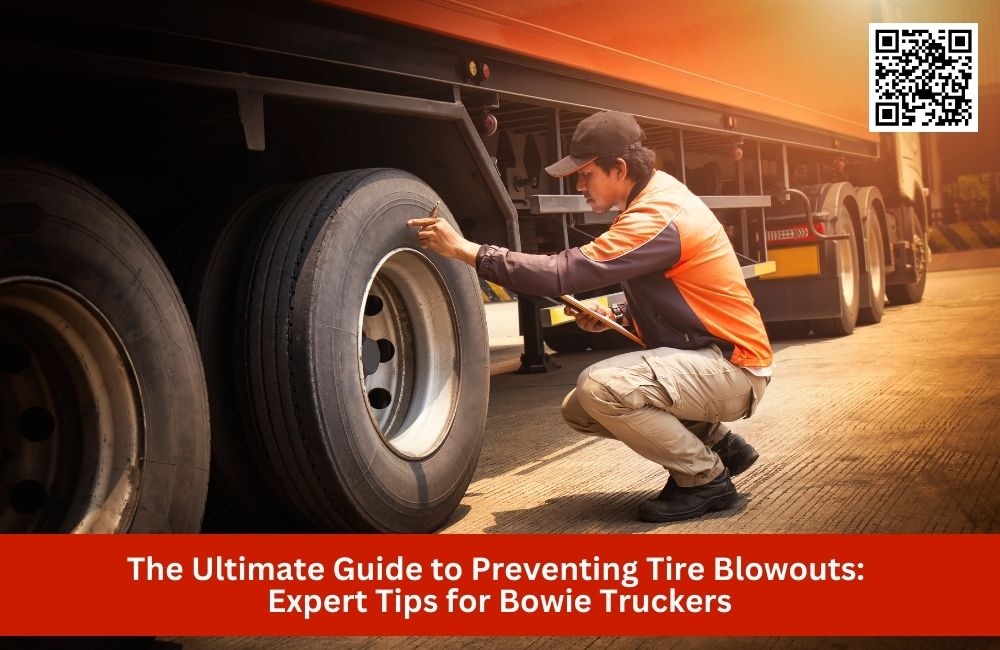
Tire blowouts are among the most dangerous and disruptive events a trucker can experience on the road. Whether you’re navigating the busy streets of Bowie, MD, or traveling longer distances, the risk of a sudden tire failure can not only cause delays and emergency Roadside Truck Repair Near Me services but also put your safety at risk. Blowouts are often preventable with proper maintenance, timely inspections, and awareness of the most common causes.
In this ultimate guide, we’ll explore expert tips on preventing tire blowouts, how to spot early warning signs, and what actions you can take to avoid being stranded with a flat. With the right precautions, you can ensure your tires are in peak condition, helping you stay safe and minimizing the need for costly Truck Road Service or Truck Repair visits.
Why Tire Blowouts Happen
Before diving into how to prevent tire blowouts, it’s essential to understand why they happen in the first place. Tire blowouts can occur for several reasons, including poor maintenance, road hazards, or driving habits. Identifying the underlying causes can help you take the necessary steps to avoid these issues.
Common Causes of Tire Blowouts:
- Under-inflation: Tires that are under-inflated generate excessive heat and friction, which can weaken the tire’s structure and cause it to blow out.
- Over-inflation: Tires that are over-inflated have less contact with the road, causing the tire to wear unevenly and increase the risk of failure.
- Worn-out Tires: Tires that are too old or excessively worn may be more prone to blowouts, especially under the stress of road conditions or heavy loads.
- Road Debris and Potholes: Sharp objects, debris, or running over potholes at high speeds can puncture a tire or cause sidewall damage, leading to sudden tire failure.
- Improper Maintenance: Not checking tire pressure regularly, failing to rotate tires, or neglecting wheel alignments can cause uneven wear and increase the likelihood of blowouts.
1. Check Tire Pressure Regularly
Tire pressure is one of the most significant factors in preventing blowouts. Bowie truckers often encounter under-inflated tires without realizing it, especially in colder temperatures. Under-inflation causes tires to flex more than they should, which generates heat and leads to premature tire wear.
What to look for:
- Tires that require frequent re-inflation.
- Pressure drops in cold weather or after long trips.
- Uneven tire pressure readings across all four tires.
Why it matters:
- Under-inflated tires can cause tire blowouts due to excessive heat buildup.
- Over-inflated tires can lead to the tire’s tread wearing out too quickly, which weakens its structure.
What you can do:
- Check tire pressure weekly, especially before long trips. Use a reliable tire pressure gauge to ensure each tire is at the recommended PSI.
- Invest in a TPMS (Tire Pressure Monitoring System) to alert you when tire pressure is too low, especially during your route.
- Adjust tire pressure based on weather conditions—cold temperatures lower tire pressure, and hot weather increases it.
2. Ensure Even Tire Wear
Tires wear unevenly due to several factors, including misalignment, improper inflation, or faulty suspension. When the tread wears unevenly, the tire becomes weaker in certain spots and is more susceptible to blowouts.
What to look for:
- Uneven wear patterns, such as more wear on one side of the tire.
- More significant wear on the outer edges or in the center of the tire.
Why it matters:
- Uneven wear reduces the tire’s effectiveness, leading to increased pressure on certain areas, making it more vulnerable to failure.
- Poor alignment or suspension issues can cause tires to wear out prematurely, increasing the risk of a blowout.
What you can do:
- Rotate tires regularly to ensure even wear, especially for trucks used on long hauls or in urban environments.
- Check your truck’s alignment and suspension regularly. Misalignment can cause tires to wear unevenly, requiring additional repairs and increasing blowout risk.
3. Inspect Tires for Visible Damage
Frequent inspections are vital to ensure that no damage is compromising the integrity of your tires. Road debris, potholes, and general wear and tear can cause tires to weaken over time, making them more prone to blowouts.
What to look for:
- Cracks, cuts, or bulges on the tire sidewall.
- Foreign objects embedded in the tire, such as nails or glass.
- Visible tread wear or tread separation.
Why it matters:
- Sidewall damage can cause immediate tire failure, especially when driving at high speeds.
- Punctures or embedded objects that aren’t addressed can lead to slow leaks or cause a blowout over time.
What you can do:
- Inspect your tires regularly, especially after driving on rough roads or through construction zones. Look for visible damage, such as cuts or bulges.
- Replace damaged tires immediately to avoid more severe issues down the line.
- Check for any objects stuck in the tread, and remove them if they’re causing damage.
4. Avoid Overloading Your Truck
Overloading your truck puts unnecessary stress on your tires, especially when it comes to the weight distribution. When a truck is overloaded, it can cause the tires to work harder and wear out more quickly. This increases the chances of blowouts, especially on Bowie’s rougher roads.
What to look for:
- Tires that appear worn out faster than usual, especially on one side.
- Excessive sagging or instability when carrying a heavy load.
Why it matters:
- Overloading causes the tires to bear more weight than they are designed to, leading to excessive wear, overheating, and eventual failure.
- Improper weight distribution causes uneven tire wear and puts additional strain on suspension and braking systems.
What you can do:
- Never exceed your truck’s maximum weight limit. Follow the manufacturer’s recommendations for load capacity.
- Distribute the load evenly across all tires to ensure even wear and prevent overloading specific tires.
- Use a load scale to ensure your truck is properly loaded before heading out.
5. Regular Tire Maintenance and Replacement
Tires don’t last forever. Over time, the rubber wears down, and tires lose their ability to perform safely. Regular maintenance and timely replacement are essential for avoiding blowouts and keeping your truck safe on the road.
What to look for:
- Tires that are visibly worn, cracked, or damaged.
- A reduction in tread depth below the legal or safe minimum.
Why it matters:
- Old or worn-out tires are more likely to fail when exposed to stress, temperature changes, or road hazards.
- Tires with insufficient tread depth can’t grip the road properly, increasing the risk of hydroplaning or blowouts.
What you can do:
- Replace tires regularly based on the manufacturer’s recommendations or if tread depth is below 2/32 of an inch.
- Schedule regular tire inspections to catch wear and damage early.
- Ensure that old tires (typically over 6 years) are replaced before they start showing signs of deterioration.
Conclusion: Tire Maintenance Is Key to Preventing Blowouts
Preventing tire blowouts is a combination of proactive tire care, regular inspections, and addressing any signs of damage or wear early. By maintaining proper tire pressure, rotating tires regularly, inspecting for damage, avoiding overloading, and replacing tires on time, you can significantly reduce the risk of blowouts and ensure your truck remains in optimal condition.
For Bowie truckers, keeping an eye on tire health isn’t just a matter of saving money on Truck Repair; it’s about safety, reliability, and ensuring your vehicle stays roadworthy for years to come. Remember, a few simple precautions can go a long way in keeping your tires and your truck in peak condition.
Contact Details
Menendez Roadservice LLC – Commercial Truck Tire Service in Bowie, MD
Address: Bowie, MD 20720
Phone: +1 (240) 601-9664