
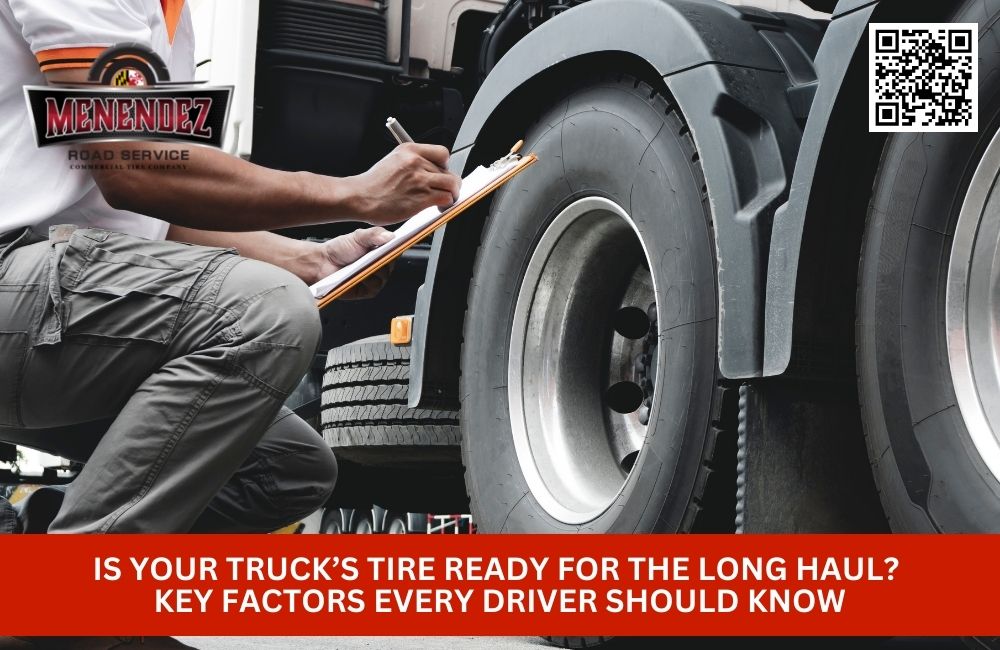
Long-haul trucking is an essential part of the freight and transportation industry. Drivers spend countless hours on the road, transporting goods across state lines and dealing with everything from weather changes to challenging road conditions. Throughout this journey, the one part of the truck that is always working hard and is often taken for granted is the tire.
Your commercial truck tires are your truck’s most vital component when it comes to safety and efficiency. Tires are responsible for carrying the entire weight of the truck, supporting the load, maintaining traction, and ensuring proper handling. A tire failure on the open road can lead to costly delays, repairs, or even accidents, so making sure your tires are ready for the long haul is crucial.
In this article, we’ll explore the key factors that determine whether your truck’s tires are up to the task, how to spot potential issues, and how to maintain them for the long term.
1. Tire Pressure: The Foundation of Tire Health
Why Tire Pressure Matters
Tire pressure is one of the most important aspects of maintaining healthy commercial truck tires. Proper inflation ensures that your tires wear evenly, maintain optimal traction, and operate efficiently. Under-inflated or over-inflated tires can lead to reduced fuel efficiency, uneven wear, and higher risk of a blowout.
How to Check Tire Pressure
Checking your tire pressure regularly is essential. Drivers should check their tire pressure before every long haul, especially when temperatures change, as tire pressure fluctuates with the weather.
- Use a tire gauge to check each tire’s pressure.
- Check the manufacturer’s recommended PSI (pounds per square inch) on the sidewall of the tire or in the owner’s manual.
- Look for irregularities in pressure readings between tires. If one is significantly off, it may be time for semi truck tire repair.
What Happens If You Don’t Maintain Proper Pressure?
Failure to keep tires properly inflated can result in:
- Faster tire wear on the tread, causing it to become too thin and vulnerable to punctures.
- Overheating of the tire, which can lead to blowouts.
- Increased fuel consumption, as tires that are not inflated to the correct pressure increase rolling resistance.
If you notice any significant drops in tire pressure, don’t wait truck tire repair may be needed to avoid bigger issues down the road.
2. Tread Depth and Tire Wear
The Role of Tire Tread
The tread on your tires is the part that comes into contact with the road, providing the necessary grip to handle a variety of driving conditions. As tires wear down, the tread becomes shallower, reducing traction and increasing the risk of skidding, especially in wet or icy conditions.
How to Measure Tread Depth
Many truck drivers neglect to check the tread depth regularly, but it’s a vital part of ensuring tire safety for long hauls.
- Use a tread depth gauge to measure the depth of your tire’s grooves.
- The minimum legal tread depth in many regions is 2/32 of an inch, but for better traction, it’s recommended to replace tires when they reach 4/32 of an inch.
Signs of Uneven Wear
If your truck’s tires show signs of uneven wear, it could indicate:
- Misalignment: This can cause excessive wear on one side of the tire.
- Suspension Issues: Damaged suspension components can lead to uneven tire wear.
- Overloading: Excessive weight can wear down tires unevenly.
If you notice any of these signs, searching for truck tire services near me can help you find a professional to check for any underlying issues.
3. Tire Age and Condition
Tires Don’t Last Forever
Even if your tires appear to be in good condition, age plays a major factor in tire performance. Rubber naturally degrades over time due to exposure to heat, UV rays, and environmental conditions, leading to tire failure even if they have not been heavily used.
- Check the tire’s manufacturing date by looking at the DOT code on the sidewall.
- Replace tires after 6–10 years, depending on use, even if they still have tread.
Visible Cracks and Damage
Tires that are cracked or show signs of dry rot are no longer safe for long-haul trips. If you notice any visible damage to the sidewall, or if your tires are showing signs of age-related cracking, it’s essential to replace them promptly.
4. Tire Alignment and Balance
Why Alignment and Balance Matter
Proper alignment and balance ensure that your commercial truck tires wear evenly and last longer. Misalignment or imbalance can cause your tires to wear prematurely and affect the overall handling of the truck.
- Misalignment can cause uneven tire wear and pull your truck to one side.
- Imbalance leads to vibrations, which can cause uneven wear on the tire tread and may even damage suspension components.
If you feel any unusual vibrations in the steering wheel or notice your truck pulling to one side, it’s essential to check the alignment. In these cases, semi truck tire repair and alignment adjustments may be needed.
5. Regular Inspections and Maintenance
Tire Inspections Are Crucial
Performing regular tire inspections is one of the most effective ways to keep your semi truck tires in good condition. Inspections should include checking for the following:
- Tire pressure: As discussed, this should be done regularly, especially before long trips.
- Visible damage: Check for punctures, cracks, or sidewall bulges that could indicate tire failure.
- Tread wear: Make sure the tread is not worn down too far and that it is wearing evenly.
- Valve stems and rims: Ensure the valve stems are intact and that the rims are free of damage or rust.
When to Seek Professional Help
If you notice any issues during your tire inspection that you’re unsure about, it’s always a good idea to seek professional help. Truck tire repair specialists can provide a more thorough inspection and handle any necessary repairs.
Conclusion
When it comes to keeping your truck on the road for the long haul, your tires are one of the most important factors to consider. By staying on top of tire pressure, tread depth, age, alignment, and regular maintenance, you can ensure that your commercial truck tires will keep you safe, efficient, and on schedule.
Regular tire inspections, paying attention to the warning signs of tire damage, and knowing when to seek professional truck tire repair are key to preventing unexpected breakdowns and extending the life of your tires.
If you notice any issues with your tires, don’t wait until it’s too late search for truck tire services near me or contact a professional for semi truck tire repair. By being proactive, you’ll keep your tires and your freight on track for the long haul.
Menendez Roadservice LLC – Commercial Truck Tire Service
8174 Maple Ave, Bowie, MD 20720, United States
Phone: +1 (240) 601-9664