
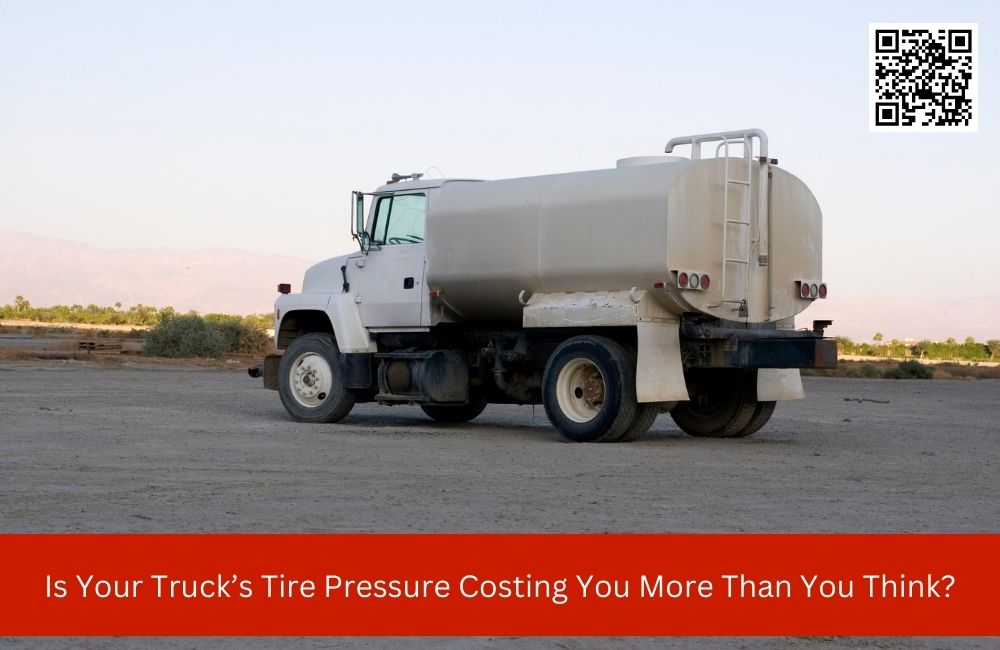
Truck tires are one of the most overlooked but essential components of any vehicle, especially for fleet owners and drivers in Bowie, MD. Many truckers and fleet managers may not realize that tire pressure plays a critical role in the overall performance of the truck, affecting everything from fuel efficiency to tire longevity and overall safety. What might seem like a minor issue, low or high tire pressure, can have long-term effects, often leading to costly Truck Repair, emergency Mobile Truck Repair, and unwanted visits to the Truck Repair Shop.
This blog dives deep into the often unnoticed but serious consequences of improper tire pressure, how it affects your vehicle, and why it’s important to stay on top of it to avoid sudden Truck Road Service calls or Roadside Truck Repair Near Me situations.
Why Tire Pressure Matters More Than You Think
Tires are the only part of your truck that makes direct contact with the road, and they bear the entire weight of the vehicle, including the load being carried. While it’s easy to assume that tires are designed to withstand these pressures, it’s the tire pressure itself that determines how efficiently your tires perform under these conditions. Tire pressure is not just about keeping your tires inflated; it’s about maintaining the optimal pressure that ensures safety, performance, and fuel efficiency.
The Impact of Overinflation vs. Underinflation
Overinflation and underinflation are the two primary issues that affect tire performance and longevity. Both conditions can lead to severe problems, even though they seem quite simple to address.
- Underinflation occurs when the tire is not filled to its optimal pressure level. This means more of the tire’s surface area touches the road, which leads to increased rolling resistance. This not only reduces fuel efficiency but also leads to excessive heat buildup and faster tread wear. Over time, underinflated tires can cause severe internal damage that may not be obvious right away but can result in sudden tire blowouts or flat tires that leave drivers stranded and in need of Truck Road Service Nearby.
- Overinflation, on the other hand, happens when a tire is filled with too much air. This reduces the tire’s contact with the road, increasing the risk of pothole damage and making the tire more prone to cracking. Overinflated tires also wear unevenly, especially in the center of the tread, and may reduce traction, which compromises safety and increases the likelihood of a loss of control.
Hidden Costs of Incorrect Tire Pressure
When truck tire pressure is neglected, the effects compound over time, leading to higher costs and potential safety hazards. Here are a few hidden costs you may not have realized are associated with improper tire pressure:
1. Reduced Fuel Efficiency
A truck’s fuel efficiency is closely linked to its tire pressure. When tires are underinflated, the engine has to work harder to overcome increased rolling resistance, burning more fuel. This subtle loss of fuel economy adds up over time, especially for fleets with multiple trucks running regular routes.
- How tire pressure affects fuel:
Underinflated tires can lower fuel efficiency by as much as 10%, and overinflated tires may increase it slightly, but the risks far outweigh the benefits in terms of tire wear and safety.
2. Premature Tire Wear and Replacement
Improper tire pressure accelerates tire wear, meaning your tires won’t last as long as they should. Underinflated tires tend to wear out more quickly on the edges, while overinflated tires wear out faster in the center of the tread. This leads to frequent tire replacements and more frequent visits to the Truck Repair Shop, which increases maintenance costs.
- How this impacts your bottom line:
The need for more frequent tire replacements means higher operational costs. Tires are one of the most expensive components of a truck, and neglecting their maintenance can lead to premature wear and unnecessary spending.
3. Increased Risk of Blowouts and Roadside Emergencies
Improper tire pressure puts the truck at a higher risk of blowouts and unexpected tire failures. Low tire pressure causes excessive heat buildup, which weakens the internal structure of the tire. On the other hand, an overinflated tire is more susceptible to damage from road debris, curbs, and potholes. When a tire blows out unexpectedly, it can lead to a breakdown and require Roadside Truck Repair Near Me, causing delays and additional costs.
- Safety issues:
The risk of blowouts and tire failures creates not only safety hazards for the driver but also a significant risk to other road users. This is why regular tire pressure checks and maintenance are crucial for preventing emergency situations.
4. Damage to Suspension and Steering Components
When tire pressure is off, it doesn’t just affect the tires themselves. Over time, improper tire pressure can affect the truck’s suspension system, steering components, and wheel alignment. Misalignment caused by uneven tire wear or underinflated tires places added strain on the suspension, causing suspension and steering component failures. This leads to costly repairs and additional downtime for the truck, as well as potential damage to other parts of the vehicle.
How to Maintain Proper Tire Pressure
The good news is that maintaining the correct tire pressure is simple and requires just a bit of attention to detail. Here are some key steps fleet managers and truck drivers can take to ensure their tires are always operating at optimal pressure:
1. Regular Tire Inspections
Checking tire pressure should be part of your daily routine. Invest in a high-quality tire pressure gauge and measure the tire pressure regularly. Make sure to check tire pressure when the tires are cold, as pressure increases with heat.
2. Use Tire Pressure Monitoring Systems (TPMS)
Many modern trucks come equipped with Tire Pressure Monitoring Systems (TPMS), which alert drivers when a tire is underinflated. If your truck isn’t already equipped with TPMS, it may be worth investing in an aftermarket system that can give real-time updates on tire pressure.
3. Routine Tire Rotation and Balancing
Rotating and balancing tires regularly ensures that they wear evenly, which prevents excessive pressure build-up in certain tires. Uneven wear can lead to poor performance, reduced lifespan, and even dangerous conditions while driving.
4. Alignment and Suspension Checks
Misalignment and suspension issues can cause uneven tire wear. Make sure your truck is aligned and in good working condition to ensure tires are wearing evenly. Check alignment regularly to avoid unnecessary tire damage and maintain handling performance.
Final Thoughts: Why Tire Pressure Matters
Tire pressure may seem like a small detail, but the impact it has on truck performance, safety, and overall operational costs cannot be overstated. Bowie truckers, as well as fleet managers, can save time and money by making sure their tires are properly inflated, checked regularly, and well-maintained. Improper tire pressure not only reduces tire life but also leads to unnecessary downtime and safety risks. By addressing tire pressure proactively, truckers can improve fuel efficiency, reduce maintenance costs, and prevent emergency roadside repairs.
Contact Details
Menendez Roadservice LLC – Commercial Truck Tire Service in Bowie, MD
Address: Bowie, MD 20720
Phone: +1 (240) 601-9664