
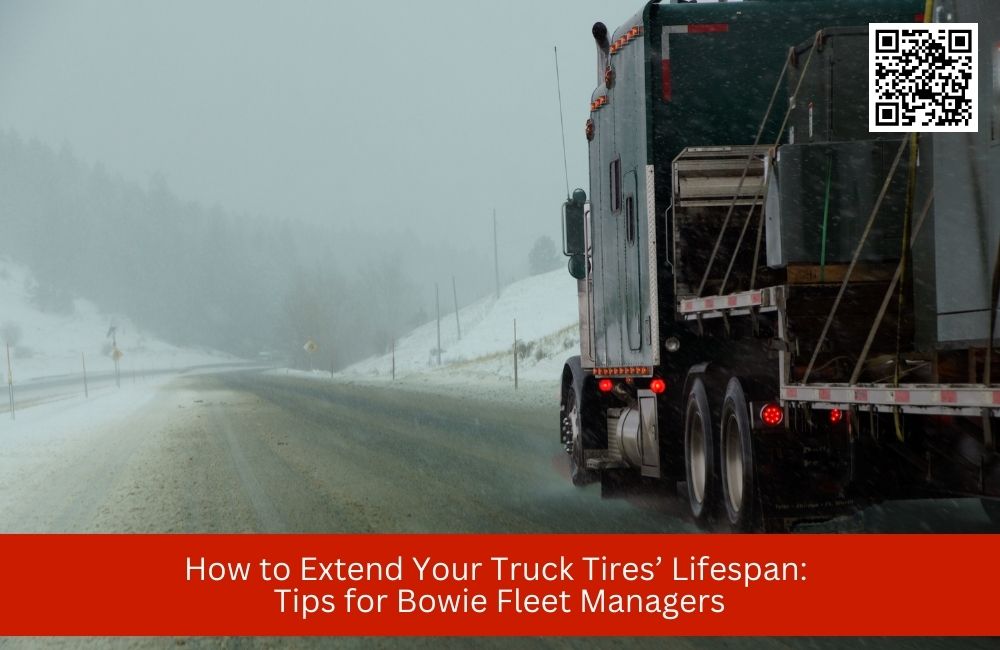
For fleet managers in Bowie, MD, managing tire longevity is a critical part of minimizing downtime and maximizing the performance of the fleet. Tires may seem like a simple component, but their maintenance and lifespan have a direct impact on fuel efficiency, vehicle safety, and maintenance costs. Proper tire care can prevent frequent Truck Repair visits, reduce the need for costly Mobile Truck Repair, and keep drivers on the road longer.
This fact-finding blog is designed to help fleet managers in Bowie extend the lifespan of their truck tires by offering practical tips and solutions. By addressing common tire issues early, fleet managers can avoid costly breakdowns, improve tire efficiency, and reduce their overall Truck Repair Shop needs. This blog does not promote any service provider or include pricing.
Why Tire Maintenance Should Be a Top Priority for Fleet Managers
Tires are the only part of a truck that makes direct contact with the road. For fleet managers, ensuring tires last as long as possible before needing replacement is not just about saving on tire costs, it’s about minimizing overall maintenance expenses and preventing unwanted downtime. However, tire problems don’t always show up immediately. Neglecting regular maintenance can result in premature tire wear, uneven pressure, and eventually, Truck Road Service calls that could have been avoided.
By focusing on early intervention and routine checks, fleet managers can significantly increase the lifespan of their tires, leading to a smoother, more cost-effective operation.
1. Regular Tire Inspections: The Foundation of Longevity
One of the most important steps in extending tire life is to implement a regular tire inspection schedule. Catching issues early can prevent minor problems from escalating into costly Truck Repair jobs.
What Fleet Managers Should Look For:
- Uneven tread wear: This can indicate alignment issues, underinflation, or suspension problems. Addressing these problems early can prevent more extensive damage to tires and other truck components.
- Cracks, bulges, or sidewall damage: These are clear signs of tire stress, often from impacts with road debris or underinflation. These types of issues lead to blowouts if not replaced in time.
- Foreign objects in the tread: Nails, glass, or other debris that get lodged in the tire can cause slow leaks. Fleet managers should monitor tires closely to ensure these objects are removed before they cause more significant damage.
How to Spot Potential Issues:
- Schedule routine inspections every month or after long trips.
- Look for signs of wear, cracks, or cuts.
- Monitor tire pressure regularly to avoid the damage caused by underinflation.
2. Proper Tire Pressure: One of the Easiest and Most Effective Preventive Measures
Tire pressure plays a significant role in tire longevity. Both underinflation and overinflation can lead to uneven wear, reduced tire life, and decreased performance.
The Risks of Improper Pressure:
- Underinflation: Underinflated tires generate excessive heat, increasing the risk of tire blowouts. This also leads to increased rolling resistance, causing tires to wear faster and reducing fuel efficiency.
- Overinflation: Tires that are overinflated wear unevenly and can become more prone to damage from road impacts.
How to Maintain Proper Tire Pressure:
- Regularly check tire pressure, ideally once a week or before long trips.
- Invest in tire pressure monitoring systems (TPMS) to alert drivers of pressure issues.
- Make sure to check tire pressure when tires are cold, as pressure readings can fluctuate after the vehicle has been driving for some time.
3. Tire Rotation and Balancing: Keep Tires Wearing Evenly
Uneven tire wear can shorten the lifespan of a tire and create dangerous driving conditions. Regular tire rotations ensure that tires wear evenly, allowing them to last longer and perform better.
The Importance of Tire Rotation:
- Ensures that all tires wear evenly, leading to better performance and longer life.
- Helps maintain balance and stability, improving vehicle safety.
- Prevents unnecessary Truck Road Service calls for worn-out tires and reduces Mobile Truck Repair needs.
Rotation Schedule:
- Rotate the tires every 6,000 to 8,000 miles or as recommended by the manufacturer.
- Ensure the rotation is done correctly, switch the front tires with the rear tires, and the left and right tires with each other.
4. Maintain Proper Alignment and Suspension
Misalignment and suspension issues are often the root cause of uneven tire wear. When a truck’s alignment is off, certain tires bear more weight and friction than others, leading to premature tire failure.
How Misalignment Affects Tire Life:
- Misalignment causes tires to wear unevenly, which increases the need for replacements.
- It can also lead to stress on the suspension and steering systems, resulting in more frequent Truck Repair.
Preventive Measures:
- Have your fleet vehicles aligned every 12,000 miles or whenever you notice signs of pulling or uneven wear.
- Regularly inspect the suspension components to ensure they are functioning correctly.
5. Driving Habits and Load Management: Protecting Tires from Excessive Stress
Driving habits and improper load management are major contributors to tire wear. Speeding, rapid acceleration, and hard braking create more friction, which stresses the tires and reduces their lifespan.
Tips for Reducing Tire Stress:
- Drive conservatively: Avoid sudden acceleration and braking.
- Monitor weight distribution: Uneven weight distribution causes tires to bear excessive pressure, leading to uneven wear. Ensure that loads are balanced and that tires are not overburdened.
- Avoid excessive speed: High speeds increase friction and cause tires to wear out faster.
6. Environmental Factors: Managing Tire Wear in Extreme Weather
Bowie experiences a variety of weather conditions throughout the year, from extreme summer heat to winter’s freezing temperatures. Temperature fluctuations can have a significant impact on tire performance and longevity.
The Impact of Weather:
- Heat: In hot weather, tires are more prone to pressure changes, heat buildup, and blowouts if not properly maintained.
- Cold: In cold weather, tire pressure tends to drop, which can lead to underinflation and increased wear.
Managing Tire Wear in Different Seasons:
- In winter, check tire pressure regularly to compensate for temperature drops.
- Consider switching to seasonal tires if your fleet operates in environments with extreme conditions.
- Always ensure that tires are properly inflated and checked before long trips in both hot and cold weather.
Final Thoughts
For Bowie fleet managers, tire maintenance is an essential part of reducing operating costs and maximizing the lifespan of each truck in the fleet. By implementing regular tire inspections, maintaining proper tire pressure, rotating tires consistently, and monitoring driving habits, fleet operators can significantly reduce the likelihood of Truck Repair, Truck Road Service, and Roadside Truck Repair Near Me calls.
Proper tire maintenance isn’t just about saving money on tiresit’s about ensuring the safety, efficiency, and reliability of your fleet. By staying proactive and following these tips, you can extend your truck tires’ lifespan and keep your operations running smoothly.
Contact Details
Menendez Roadservice LLC – Commercial Truck Tire Service in Bowie, MD
Address: Bowie, MD 20720
Phone: +1 (240) 601-9664