
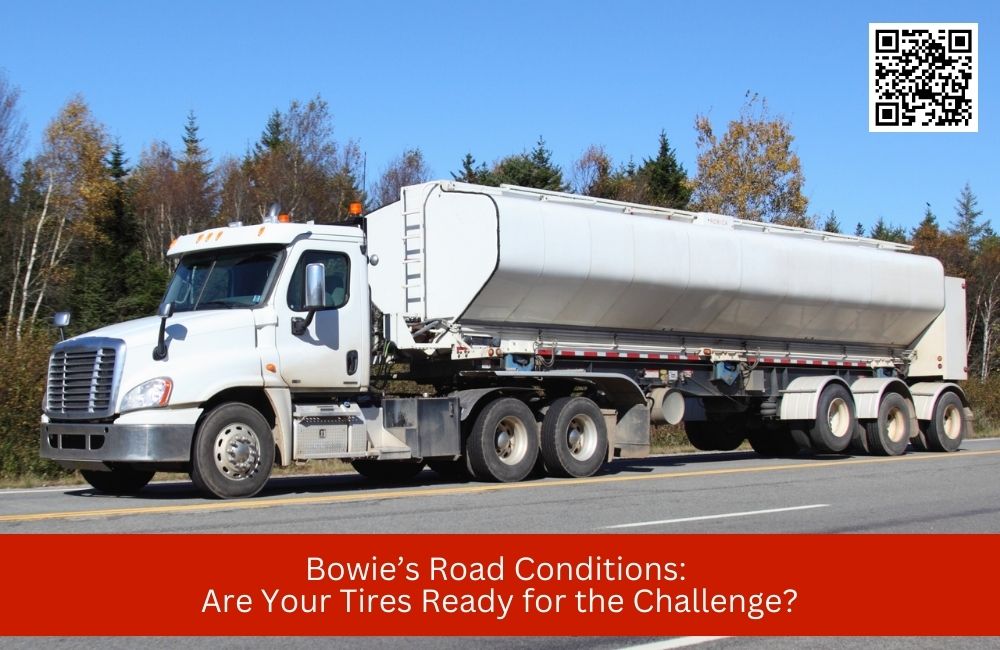
For truckers operating in Bowie, MD, the roads may look familiar, but they’re often full of hidden challenges that can put a strain on truck tires. From unexpected potholes to construction zones and frequent changes in weather, Bowie’s road conditions can take a serious toll on tire performance. Many drivers overlook these hazards until it’s too late, which often leads to costly Truck Repair or emergency Mobile Truck Repair calls.
In this fact-finding blog, we’ll explore how Bowie’s road conditions affect tire longevity, performance, and safety. We’ll break down the common tire issues caused by the roads in the area and give truckers the tools they need to stay ahead of potential breakdowns. This blog will also provide insight into how these tire problems can escalate into larger Truck Repair Shop needs, forcing drivers to call for Truck Road Service or Roadside Truck Repair Near Me.
The Challenges of Bowie’s Roads: What Truckers Face Daily
Bowie is a bustling city with a mix of residential, commercial, and industrial traffic. While these roads serve thousands of vehicles every day, the constant wear and tear they face from trucks, commuters, and the elements can lead to issues that are easy to overlook—especially for truckers who are more focused on deadlines than road conditions.
Here’s why Bowie’s road conditions can be so tough on truck tires:
- Uneven Pavement and Potholes: Potholes and crumbling asphalt are common hazards in Bowie. While small potholes can damage a tire’s sidewall, larger ones can lead to internal tire damage that isn’t immediately visible.
- Frequent Traffic and Stop-and-Go Movement: Urban areas like Bowie are full of traffic congestion. This constant stop-and-go driving increases heat buildup in the tires, which accelerates wear and reduces tire lifespan.
- Construction Zones: The ongoing construction in Bowie means frequent detours, lane shifts, and road debris. Even minor impacts with sharp debris can cause tires to lose air or suffer structural damage.
- Weather Variability: The weather in Bowie can change drastically from season to season. Extreme heat and cold both have significant effects on tire pressure, causing wear, inflation issues, and potential tire blowouts.
How these conditions impact tire performance:
- Increased wear and tear: Potholes, debris, and rough roads cause tires to wear out faster, which increases Truck Repair frequency and costs.
- Higher risk of damage: Tires that face constant road hazards are at a higher risk of suffering punctures or even complete failures while on the road.
Key Tire Problems Caused by Bowie’s Roads
1. Uneven Tread Wear
Tires aren’t meant to wear unevenly, but road conditions like potholes, construction zones, and high traffic can cause tires to wear more on one side or develop patches of wear. Misalignment often results from frequent driving over uneven surfaces.
Consequences of uneven wear:
- Premature tire replacement: Tires with uneven wear must be replaced sooner than expected, leading to unnecessary costs.
- Reduced fuel efficiency: Uneven wear causes increased rolling resistance, which can lower fuel efficiency.
- Alignment and suspension issues: Uneven tire wear may be a sign of problems with vehicle alignment or suspension, requiring additional Truck Repair.
2. Heat Buildup and Overheating
During stop-and-go driving in Bowie, tires generate heat as they rub against the road surface. Underinflated tires or poorly aligned tires generate even more heat, which can cause excessive wear and lead to a blowout.
The risks:
- Blowouts: Overheated tires are at a higher risk of blowing out, which can lead to unexpected roadside emergencies requiring Mobile Truck Repair.
- Increased fuel consumption: When tires are underinflated or misaligned, they create extra rolling resistance, which forces the engine to work harder and consumes more fuel.
What truckers can do:
Check tire pressure regularly, especially in the morning before the truck is used, to avoid the risks of overheating and improve fuel efficiency.
3. Pothole and Road Debris Damage
Bowie roads are often peppered with potholes, debris, and other hazards that can cause tire punctures, sidewall damage, and internal tire stress.
What happens:
- Internal tire damage: Even if a tire looks fine externally, the impact from hitting a pothole or road debris can cause internal damage to the tire’s belt structure.
- Increased punctures: Debris like nails and metal fragments from construction zones can cause slow leaks or punctures that aren’t easily detected until the damage is already done.
The result:
Truckers may find themselves needing Truck Road Service unexpectedly, or worse, forced to replace damaged tires more frequently.
4. Sidewall Damage and Cracking
Sidewall damage is one of the most dangerous forms of tire damage, as it often leads to blowouts. In Bowie, the combination of rough road conditions, debris, and tight turns contributes to sidewall stress.
Signs of sidewall damage:
- Visible cracks or bulges
- Soft or worn areas on the sidewall
- Uneven wear on the tire shoulder
Impact of sidewall issues:
- Blowouts: Sidewall damage is a common cause of blowouts, which can lead to Roadside Truck Repair Near Me calls and dangerous driving situations.
How to Keep Your Tires in Top Shape Despite Bowie’s Roads
While you can’t control the road conditions, you can take steps to minimize the damage and keep your tires in the best shape possible.
1. Regular Tire Inspections
Conduct regular tire checks, especially after driving through construction zones or rough patches of road. Look for signs of:
- Uneven wear patterns
- Cuts, punctures, or debris in the tire
- Low tire pressure
2. Proper Tire Inflation
Check tire pressure frequently, and ensure all tires are inflated according to manufacturer recommendations. Underinflation and overinflation both increase tire wear, cause overheating, and decrease fuel efficiency.
3. Tire Rotation and Alignment
Rotating tires regularly ensures that wear is even and extends tire life. Proper alignment prevents uneven tire wear and stress on suspension components.
4. Adapt to Road Conditions
Drive cautiously through potholes, construction zones, and debris. Avoid rapid acceleration and sudden braking, as these actions generate extra heat and stress on your tires.
Common Truck Repair Areas Linked to Tire Issues
Tire problems often lead to larger Truck Repair issues, including:
- Suspension components: Worn tires affect suspension and steering parts.
- Wheel bearings and hubs: Unbalanced or underinflated tires cause additional strain on wheel bearings.
- Alignment: Poorly aligned tires create stress on steering and suspension systems, leading to misalignment and further tire wear.
Understanding these connections helps drivers and fleet managers see that tire maintenance isn’t just about the tire, it’s about the entire truck system.
Final Thoughts: Protect Your Tires, Protect Your Fleet
In Bowie, where road conditions are unpredictable, staying on top of tire maintenance is one of the most effective ways to prevent major breakdowns, reduce downtime, and avoid costly Truck Repair calls. Tires that are properly maintained last longer, perform better, and keep your fleet running smoothly.
By paying attention to tire pressure, wear patterns, and road hazards, truckers can extend tire life, reduce operational costs, and increase safety on the road.
Contact Details
Menendez Roadservice LLC – Commercial Truck Tire Service in Bowie, MD
Address: Bowie, MD 20720
Phone: +1 (240) 601-9664